


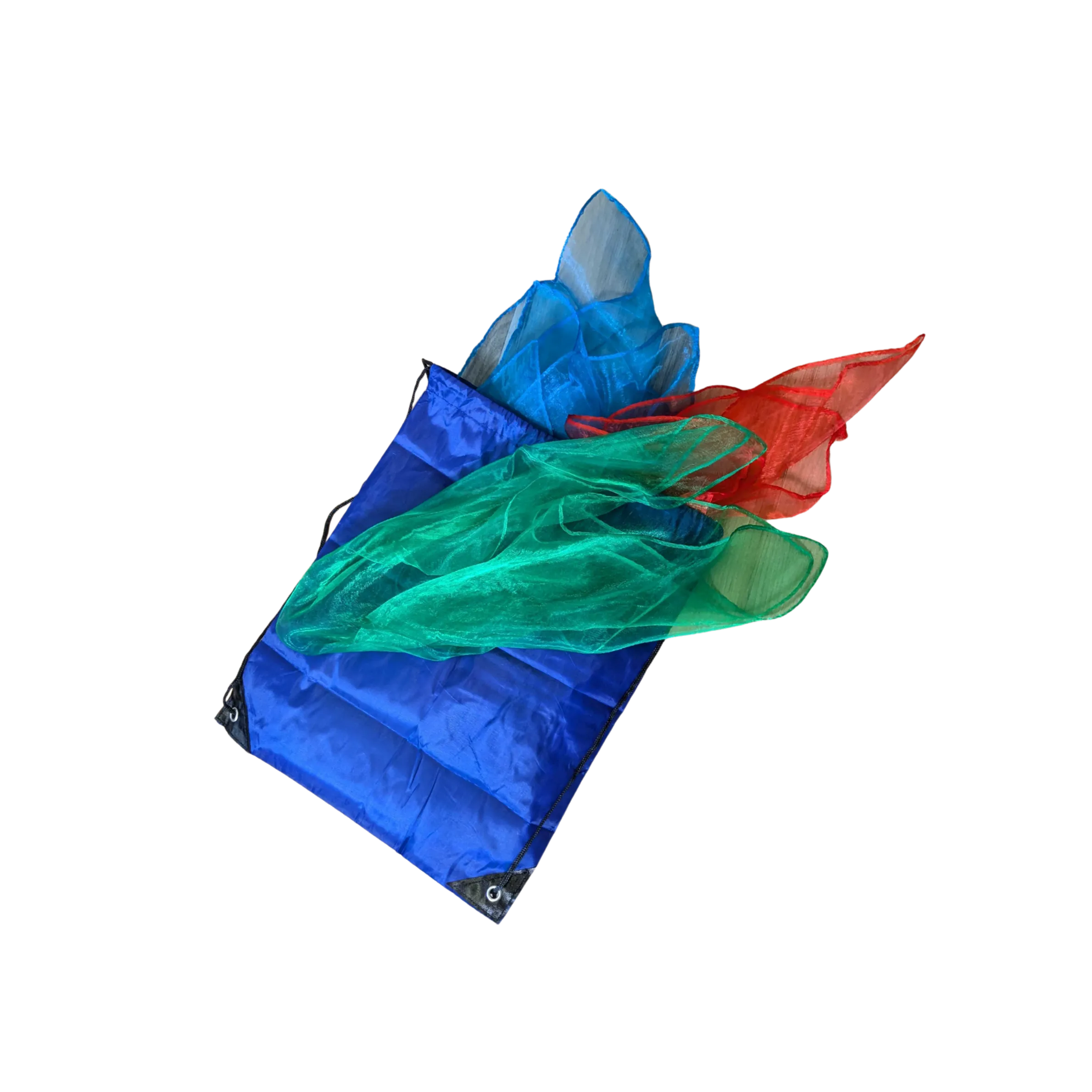
Pupils move and wave scarves to react to tempo and pitch changes physically. They also double as fantastic visual cues for structured classroom management and high-energy music games.

A representation of the steady heartbeat of the music that children can see and feel. It helps reinforce the constant pulse that underpins every song they sing.
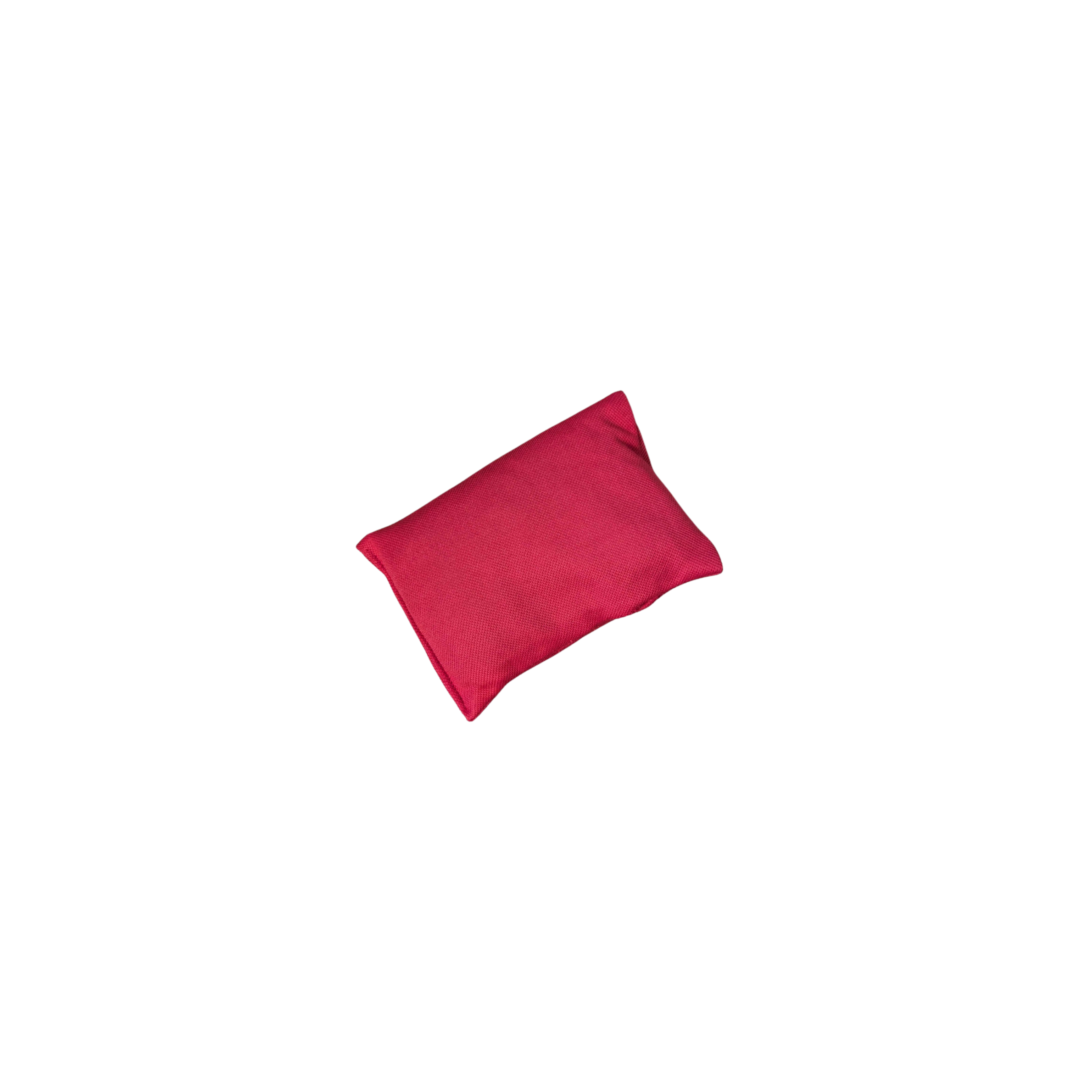
Help children coordinate a steady pulse, identify strong beats, and practise matching pitches as a group.

An engaging way for pupils to learn to read individual note values. Arrange the cards to work out the notation of a familiar song or compose and perform your own rhythm patterns.
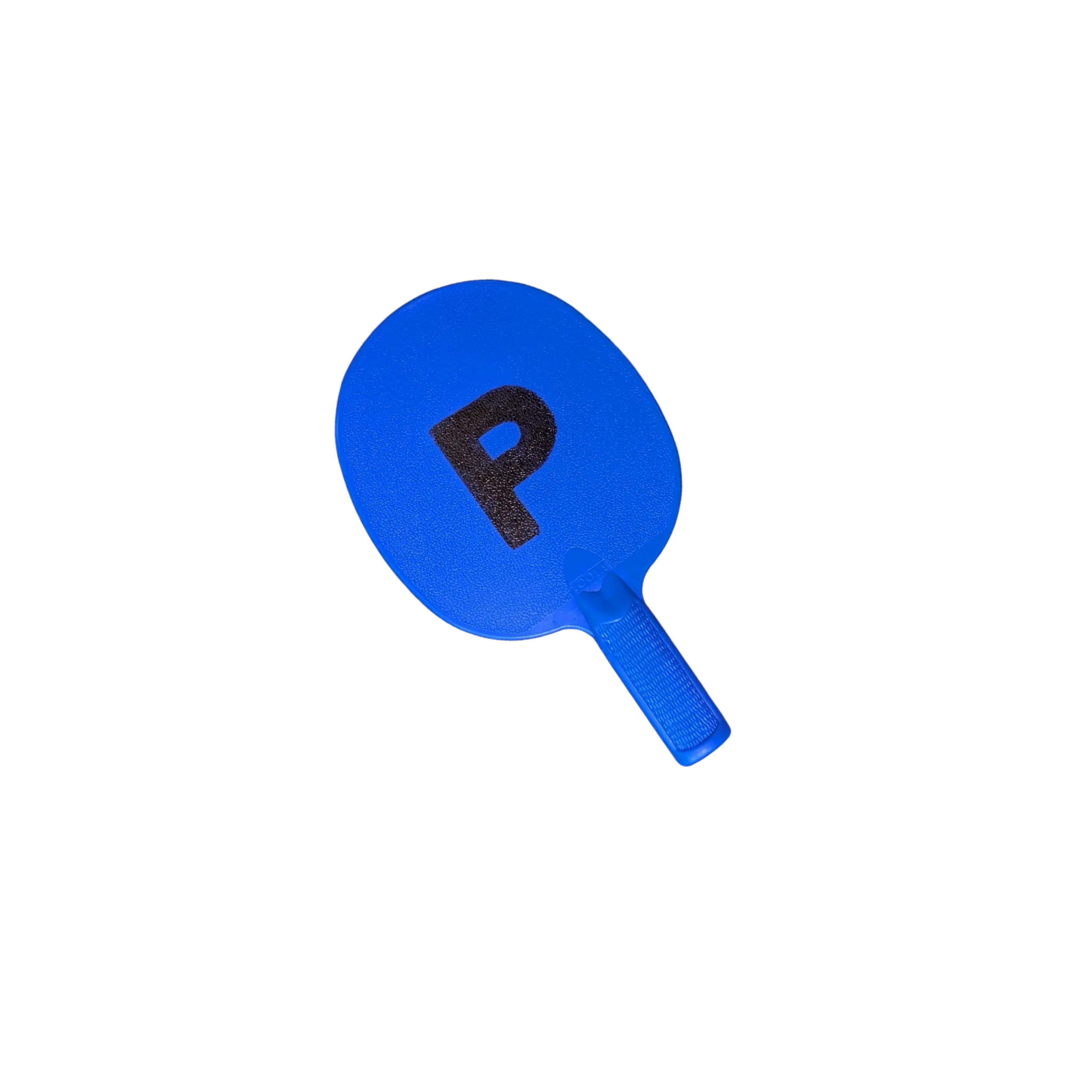
A double-sided visual aid that makes abstract concepts concrete. Help pupils practise switching back and forth between the pulse (the steady heartbeat) and the rhythm (the pattern of the words).
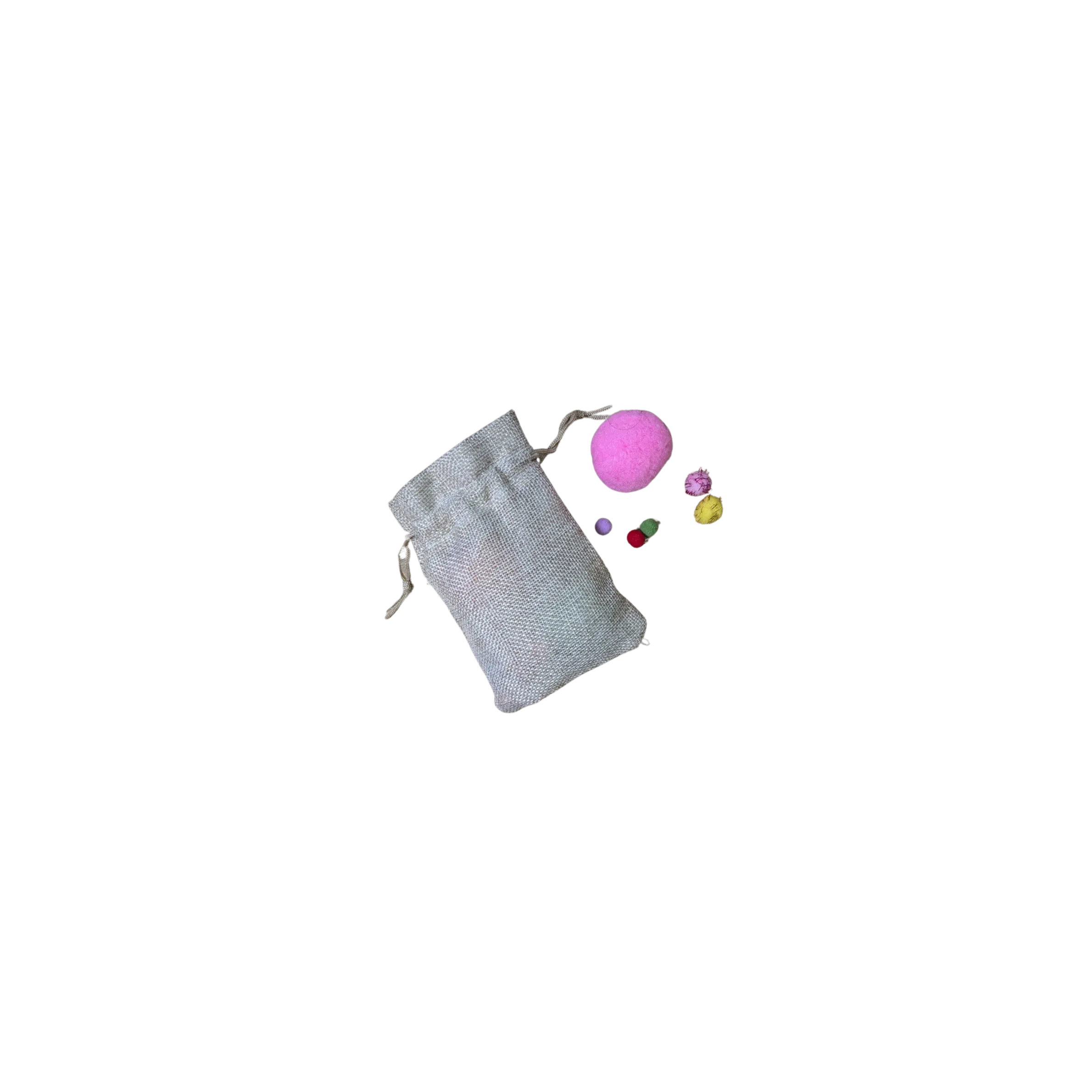
Before introducing traditional written stave lines, children use these pom poms to work out rhythm and pitch, bridging the gap between listening and full written notation.
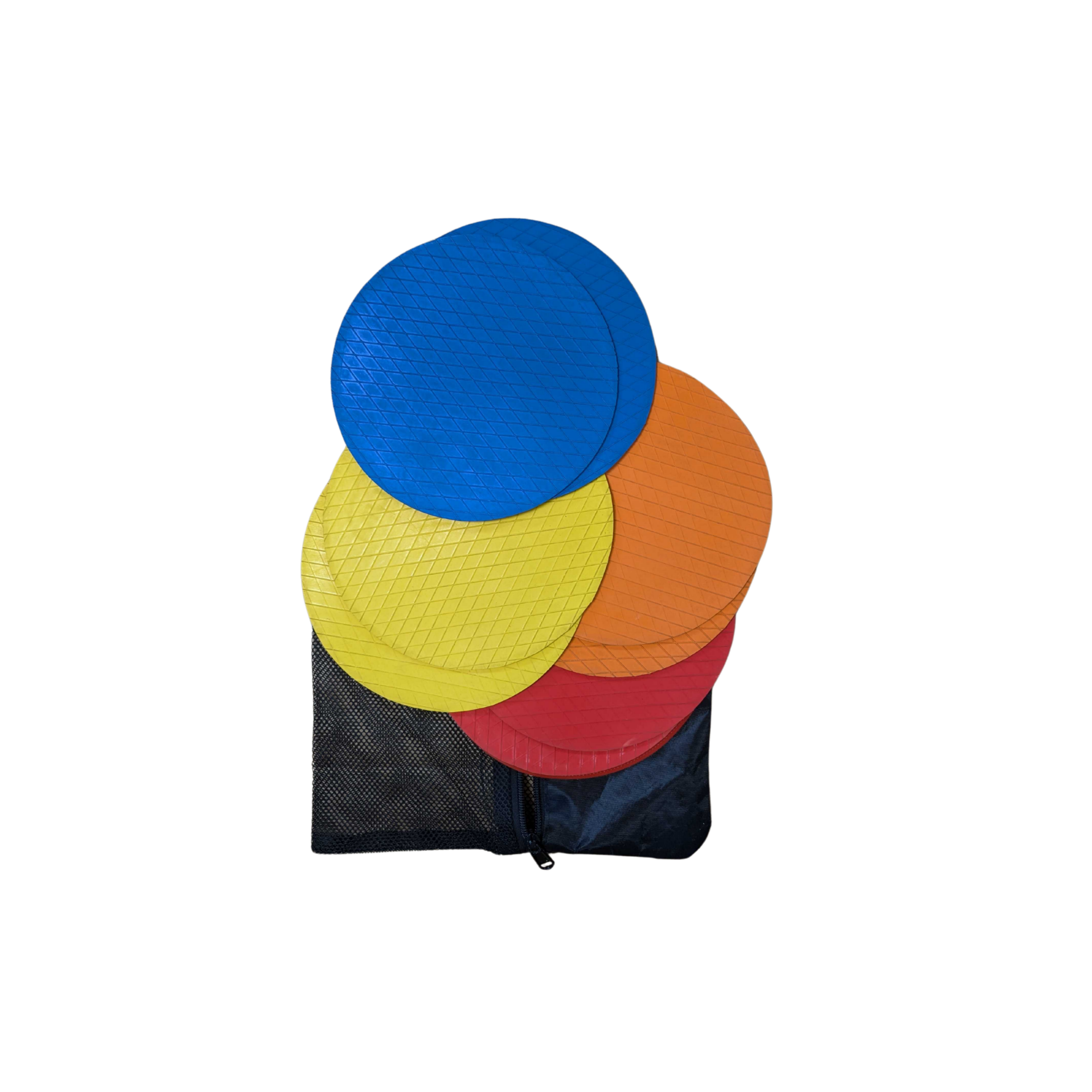
Each floor spot can represent one beat of the pulse, one pitch or one phrase in a song. Use these, paired with the pom poms, to work out rhythm, follow singing names or discover structure.
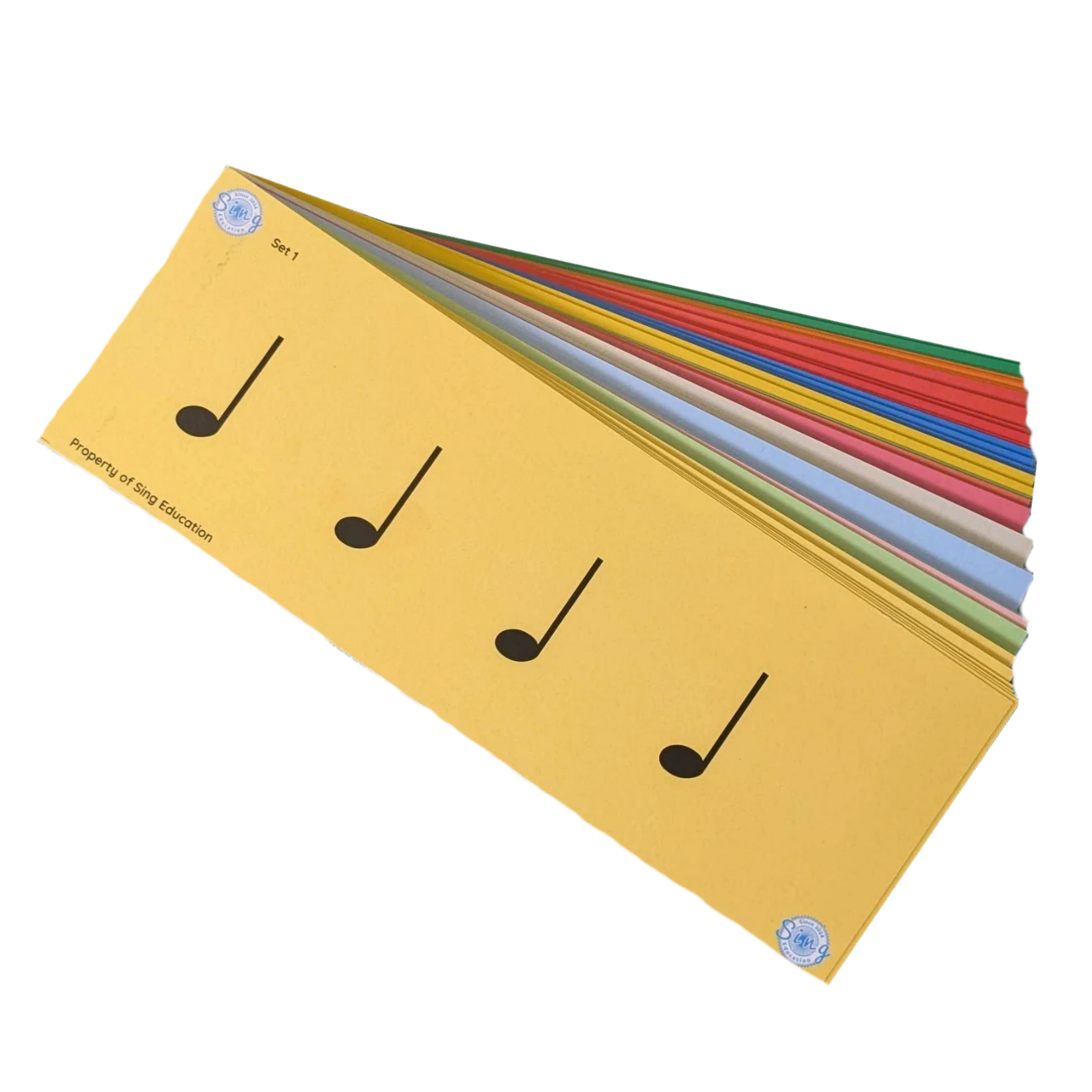
Designed to help pupils read, clap, and perform full bar rhythms. These cards increase in rhythm complexity and add different time signatures as pupils progress.
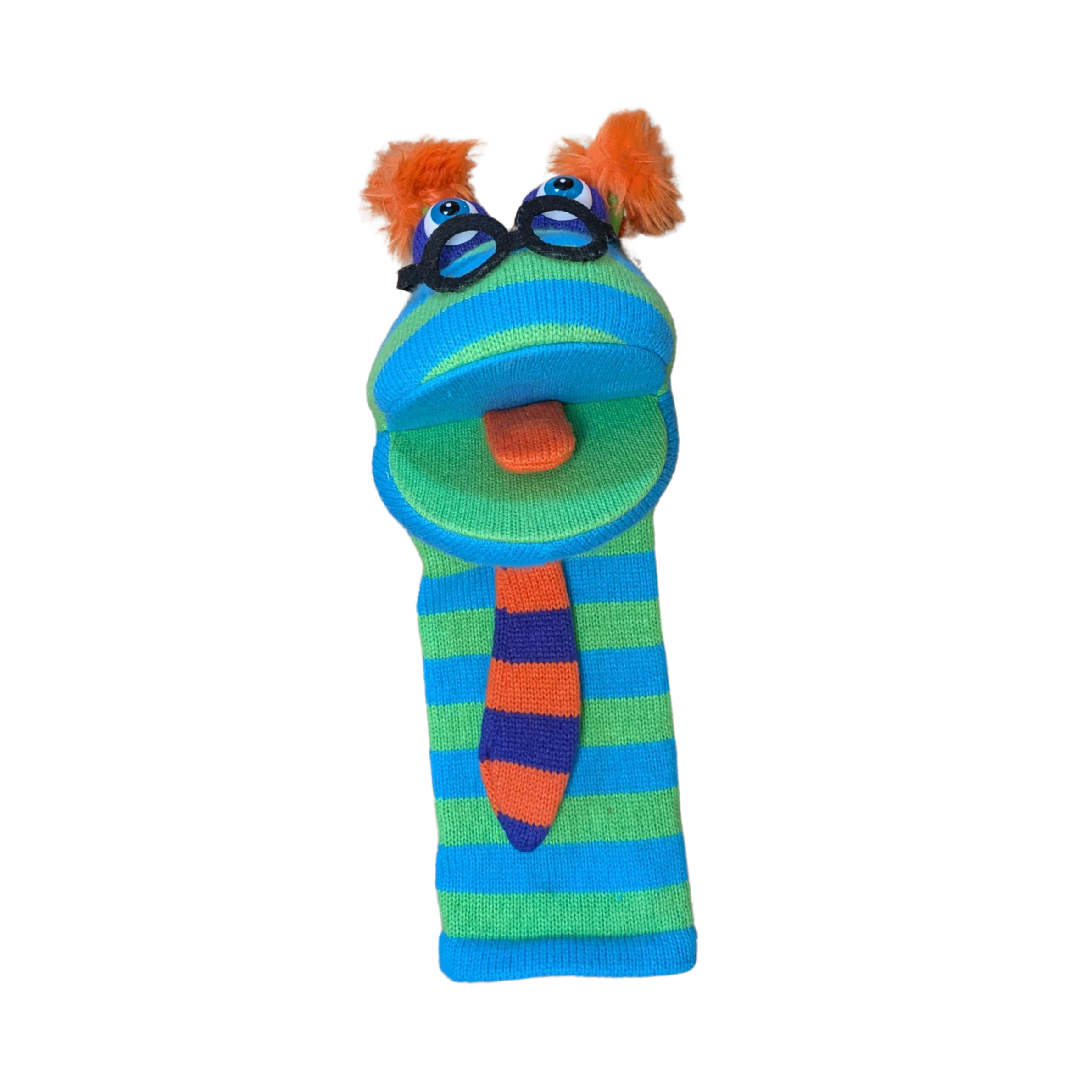
Mr (or Miss) Nana can only sing “na na na”. This is a great tool to play with different voices, and focus on pitch matching.

Perfect for bouncing in time to help pupils feel and replicate the musical beat. Improve your class ensemble skills and use the blue pond to bounce the frog as a class.
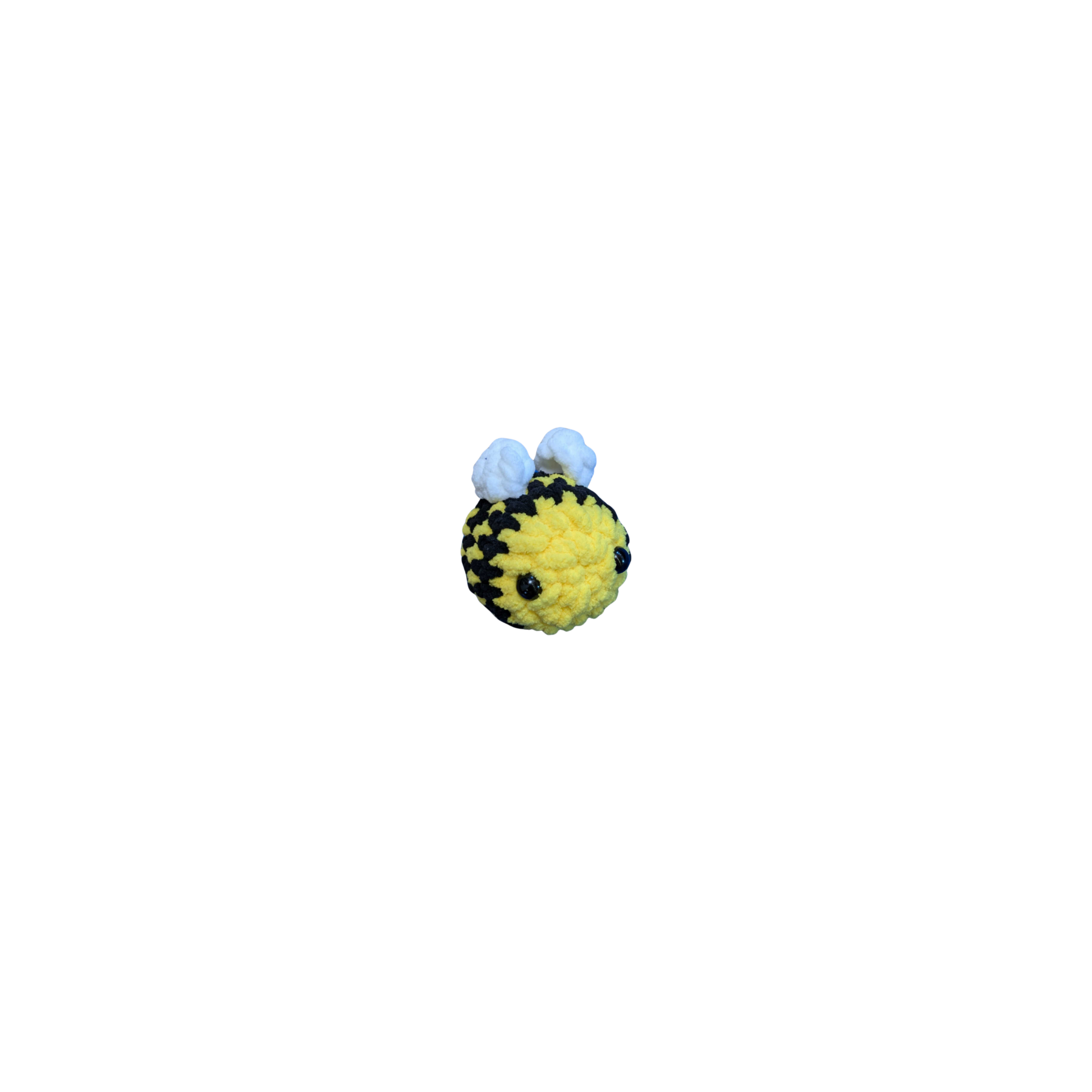
Bring the characters from our classroom songs to life. Younger pupils love tracking the bee’s flight to trace pitch and pulse.
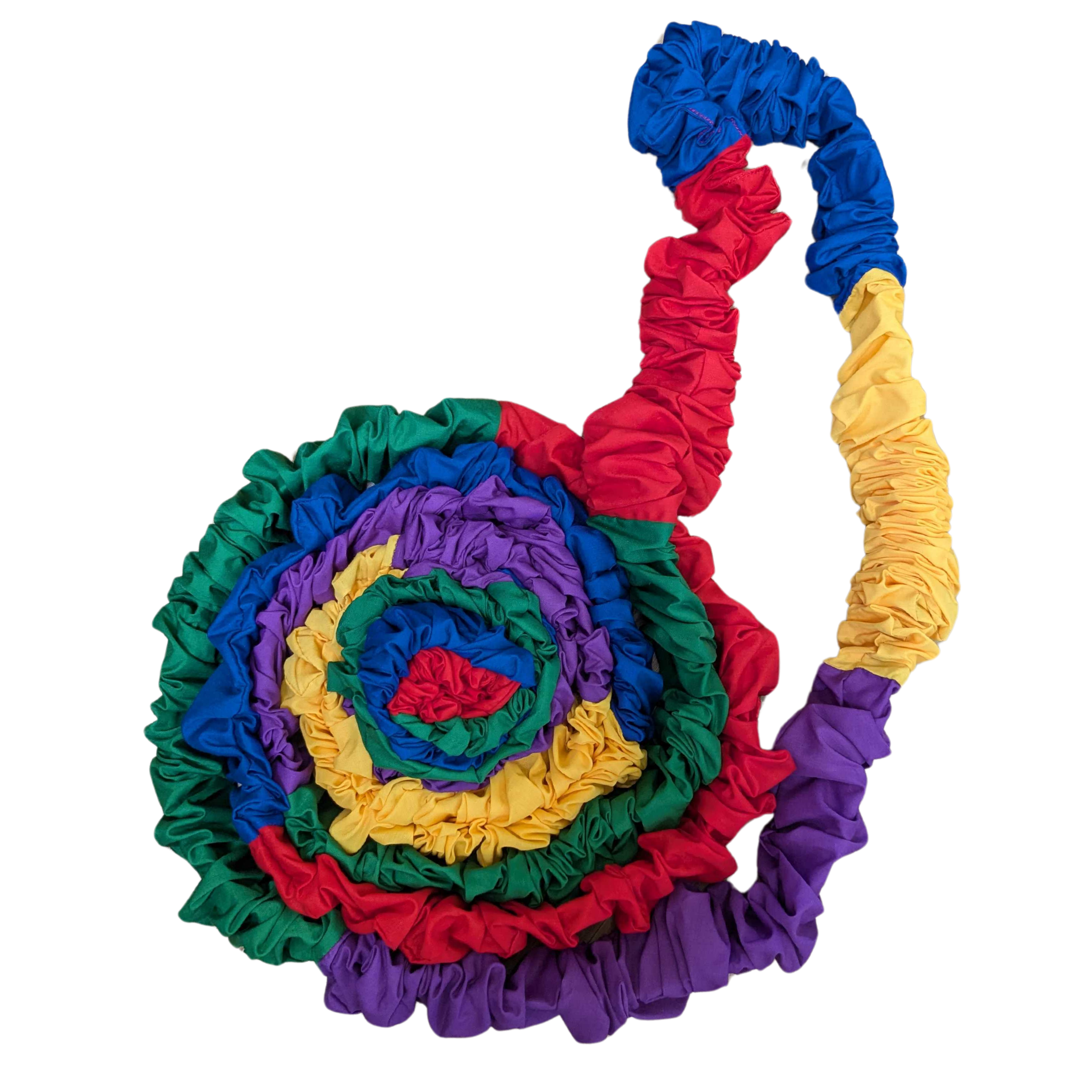
Work as a class to raise and lower the scrunchie to match pitch, or bounce it in unison to match the pulse.
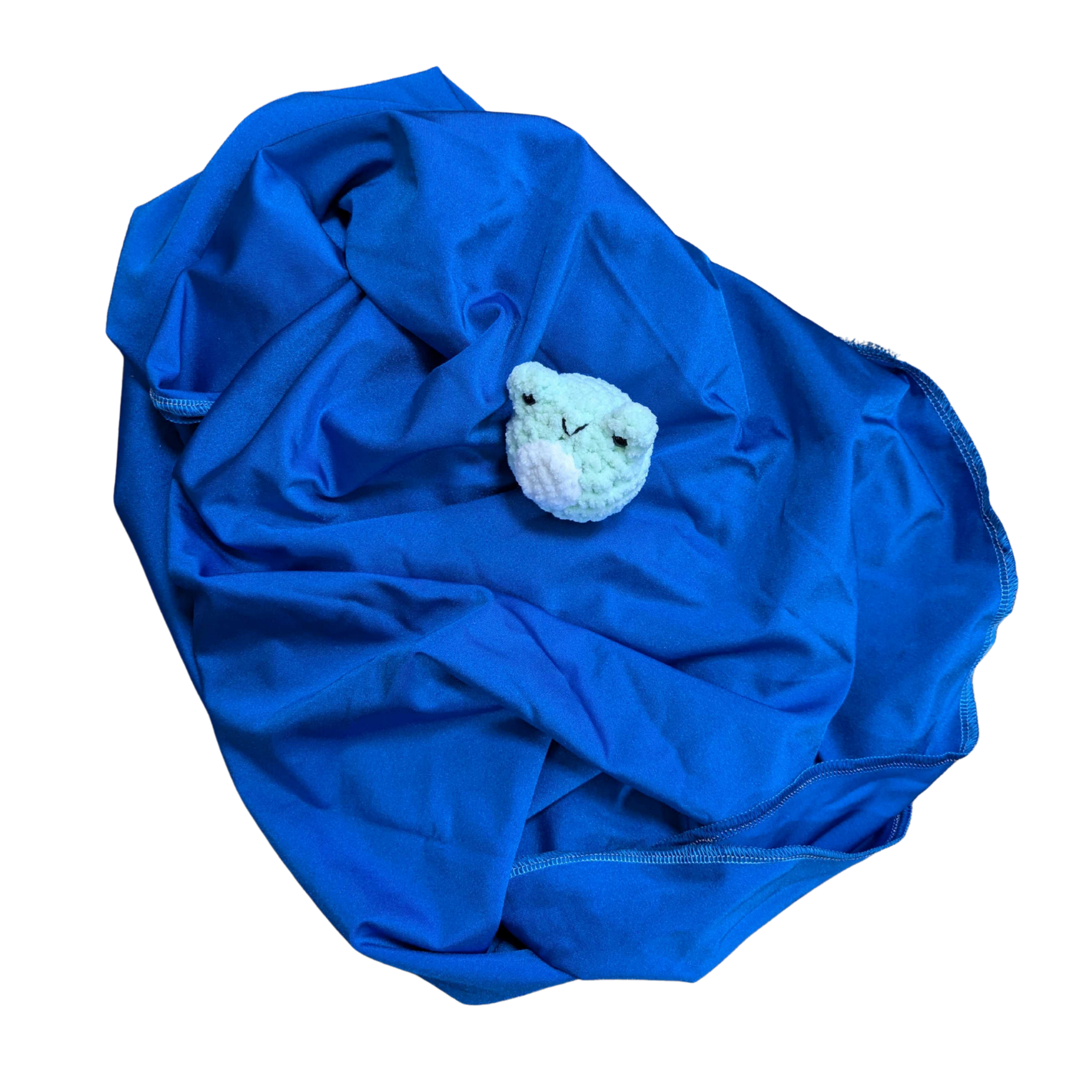
Visualise music by bouncing with the pulse, moving with the pitch, and changing movements with the structure of the music.

Pupils move and wave scarves to react to tempo and pitch changes physically. They also double as fantastic visual cues for structured classroom management and high-energy music games.
A representation of the steady heartbeat of the music that children can see and feel. It helps reinforce the constant pulse that underpins every song they sing.
Help children coordinate a steady pulse, identify strong beats, and practise matching pitches as a group.
An engaging way for pupils to learn to read individual note values. Arrange the cards to work out the notation of a familiar song or compose and perform your own rhythm patterns.
A double-sided visual aid that makes abstract concepts concrete. Help pupils practise switching back and forth between the pulse (the steady heartbeat) and the rhythm (the pattern of the words).
Pupils move and wave scarves to react to tempo and pitch changes physically. They also double as fantastic visual cues for structured classroom management and high-energy music games.
A representation of the steady heartbeat of the music that children can see and feel. It helps reinforce the constant pulse that underpins every song they sing.
Help children coordinate a steady pulse, identify strong beats, and practise matching pitches as a group.
An engaging way for pupils to learn to read individual note values. Arrange the cards to work out the notation of a familiar song or compose and perform your own rhythm patterns.
A double-sided visual aid that makes abstract concepts concrete. Help pupils practise switching back and forth between the pulse (the steady heartbeat) and the rhythm (the pattern of the words).
Before introducing traditional written stave lines, children use these pom poms to work out rhythm and pitch, bridging the gap between listening and full written notation.
Each floor spot can represent one beat of the pulse, one pitch or one phrase in a song. Use these, paired with the pom poms, to work out rhythm, follow singing names or discover structure.
Designed to help pupils read, clap, and perform full bar rhythms. These cards increase in rhythm complexity and add different time signatures as pupils progress.
Mr (or Miss) Nana can only sing “na na na”. This is a great tool to play with different voices, and focus on pitch matching.
Pupils move and wave scarves to react to tempo and pitch changes physically. They also double as fantastic visual cues for structured classroom management and high-energy music games.
A representation of the steady heartbeat of the music that children can see and feel. It helps reinforce the constant pulse that underpins every song they sing.
Help children coordinate a steady pulse, identify strong beats, and practise matching pitches as a group.
An engaging way for pupils to learn to read individual note values. Arrange the cards to work out the notation of a familiar song or compose and perform your own rhythm patterns.
A double-sided visual aid that makes abstract concepts concrete. Help pupils practise switching back and forth between the pulse (the steady heartbeat) and the rhythm (the pattern of the words).
Before introducing traditional written stave lines, children use these pom poms to work out rhythm and pitch, bridging the gap between listening and full written notation.
Each floor spot can represent one beat of the pulse, one pitch or one phrase in a song. Use these, paired with the pom poms, to work out rhythm, follow singing names or discover structure.
Designed to help pupils read, clap, and perform full bar rhythms. These cards increase in rhythm complexity and add different time signatures as pupils progress.
Mr (or Miss) Nana can only sing “na na na”. This is a great tool to play with different voices, and focus on pitch matching.