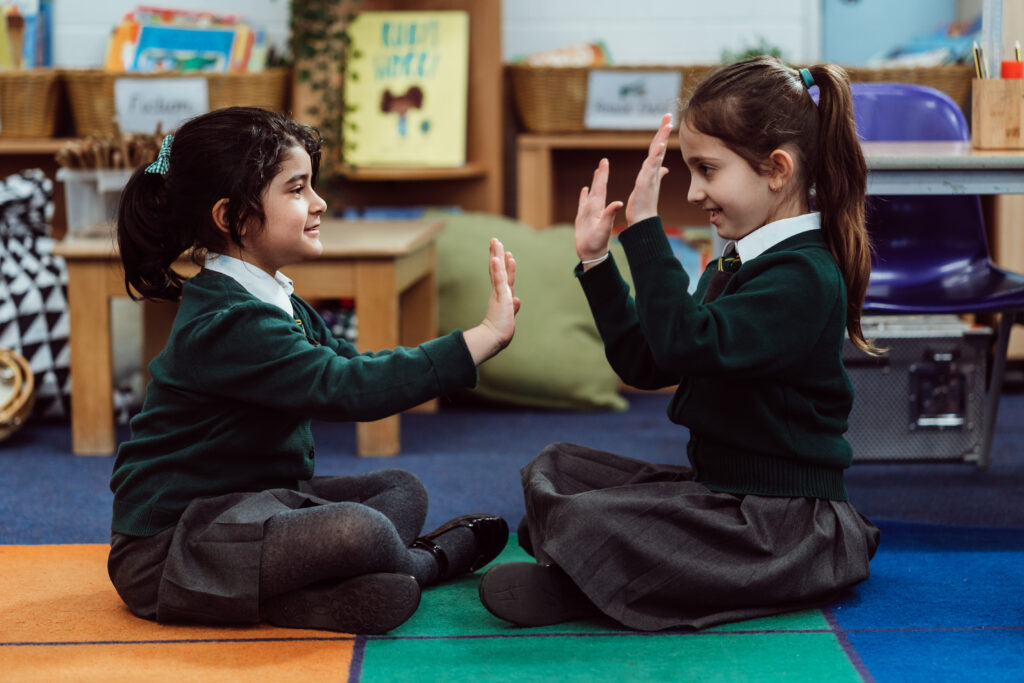
A specialist can teach music while the class teacher takes PPA. The arrangement gives music a regular place in the week, with time for children to develop as musicians.
A well-planned programme gives children time to develop musical skills and hear what they can achieve together. The cover arrangement should protect the class teacher’s time while giving pupils purposeful teaching.
Start with the classes and lesson lengths. Leave time to move between rooms and set up instruments. Check that the full timetable protects each teacher’s PPA allocation; one music lesson may cover only part of it.
Agree who prepares the lessons and assesses the learning. Share relevant information about the class, including SEND support and school routines.
The specialist needs a clear sequence and room to respond to pupils. If children need more practice holding a steady pulse, the teacher should recognise that and adapt.
In maintained schools in England, the national framework provides at least 10% of timetabled teaching time for PPA, in blocks of at least 30 minutes. Other duties must not be required during that time. Academy terms can differ. See our guide to PPA for more.
Look for teaching that brings children into the music
A good musician needs to be a good classroom teacher too. Ask how they model a phrase and respond when a pupil finds it difficult. Watch whether children spend their time making music.
Our Music Teaching Competencies set out what we expect of Sing Education teachers. They include accurate musical modelling and clear routines, with teaching adapted so pupils can take part. They also ask teachers to create shared musical experiences that children can feel proud of.
Those expectations shape how we want music to sound and feel in school. There is room for lively singing games and quieter listening, with careful teaching behind both.
PPA cover options
Arrangement
What it can offer
Questions to ask
Appropriately deployed HLTA or other support staff
Continuity with someone who knows the school
What teaching and supervision arrangements apply? What subject support is provided?
Cover supervisor
A familiar system for supervising planned work
Is the proposed work suitable for this role, and who takes responsibility for teaching?
Sports coach
Subject expertise for an agreed programme
Who plans and assesses learning? Are deployment and safeguarding arrangements suitable?
Music hub or service
Access to local music expertise and programmes
Is this curriculum music or instrumental tuition? Can the programme meet the required timetable?
Music specialist or managed provider
Subject teaching with agreed curriculum responsibilities
How is primary teaching quality supported, and what happens if the teacher is absent?
Check the role and support
Choose by the teaching offered, rather than a job title alone. In maintained schools, qualification and specified-work rules apply, including conditions for staff working under supervision. Academy requirements can differ. Check the proposed arrangement with HR.
Follow current Keeping Children Safe in Education guidance. Agree which checks the provider completes and what the school must verify. Visiting teachers also need an induction into your safeguarding procedures.
Ask how the teacher receives feedback and further training. For Sing Education, professional development and listening to pupils are part of the teaching expectations, alongside musicianship.
Agree the service before you start
The proposal should state the weekly teaching and number of weeks. Include planning and assessment responsibilities, with separate time for any assemblies or clubs.
Ask what happens if the teacher is absent and how a replacement will know where the class has reached. Check instrument costs and any additional charges.
Set a review after the first half term. Listen to children’s music and discuss what they are learning. Our curriculum pack includes expected standards to guide those judgements, with assessment through lesson observation and group music-making.
Sing Education Specialist provides in-school teaching with recruitment and management handled by our team. Tell us about your timetable and we’ll prepare a proposal showing the provision and cost.
Explore our Specialist page or get in touch at our contact page. If your own staff will lead music, Sing Education Classroom provides resources and on-screen support through a separate subscription.
Frequently asked questions
Can music lessons cover PPA?
Yes, with an appropriate teaching arrangement. Check that the timetable protects the teacher’s full entitlement and that the person delivering the lesson is suitably deployed. Agree preparation and assessment responsibilities before teaching starts.
Does PPA cover require QTS?
It depends on the school and role. Maintained schools have qualification and specified-work rules, including exceptions and supervised arrangements. Academy requirements may differ. The headteacher should check the appointment with HR rather than rely on a job title.
Can a music hub provide PPA cover?
Ask your local hub or service about its offer. A programme may focus on instrumental learning or wider curriculum teaching. Check its purpose and duration against your timetable, including the support available throughout the year.
Does a subscription provide PPA cover?
A curriculum subscription supplies resources, not a replacement adult. The school still needs suitable staffing. Sing Education Classroom supports your staff teaching music; Sing Education Specialist provides teaching in school through a separate service.
What should we ask a provider?
Ask what children will learn and who will teach them. Check how the teacher is supported and how progress is shared. Confirm the weekly allocation, absence arrangements and total cost in the proposal.
Over the last decade, music education in England has seen significant shifts, both in the curriculum and in teacher training, responding to changes in government policy, the introduction of new standards, and a strong demand for accessible, high-quality music instruction in schools.
Workshop performances allow children to share their passion for music with the wider school community and develop their skills mastery and learning progression.