Extracurricular music gives children opportunities to make music beyond their regular classroom lessons. It includes school choirs and clubs, instrumental groups, and the rehearsals and performances that bring music into the wider life of a school.

Were you once Third Lobster in the Nativity? You might have forgotten the lines, but remember waiting for your cue or hearing the first notes. Those experiences can stay with you. The work behind them matters too: learning a song well enough to enjoy singing it, or finding your place in a group.
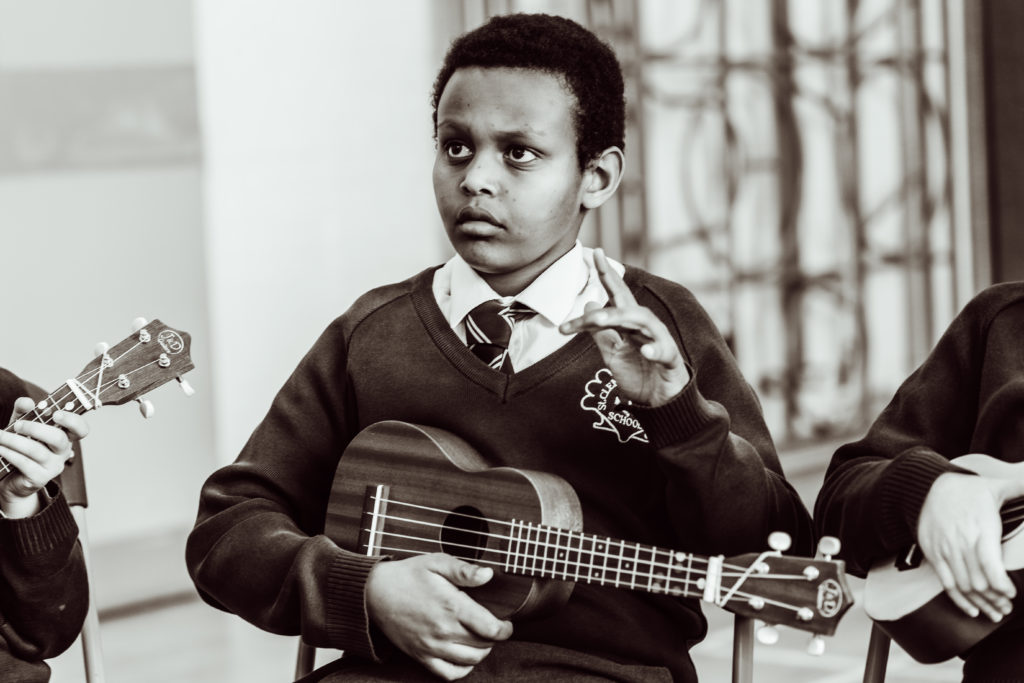
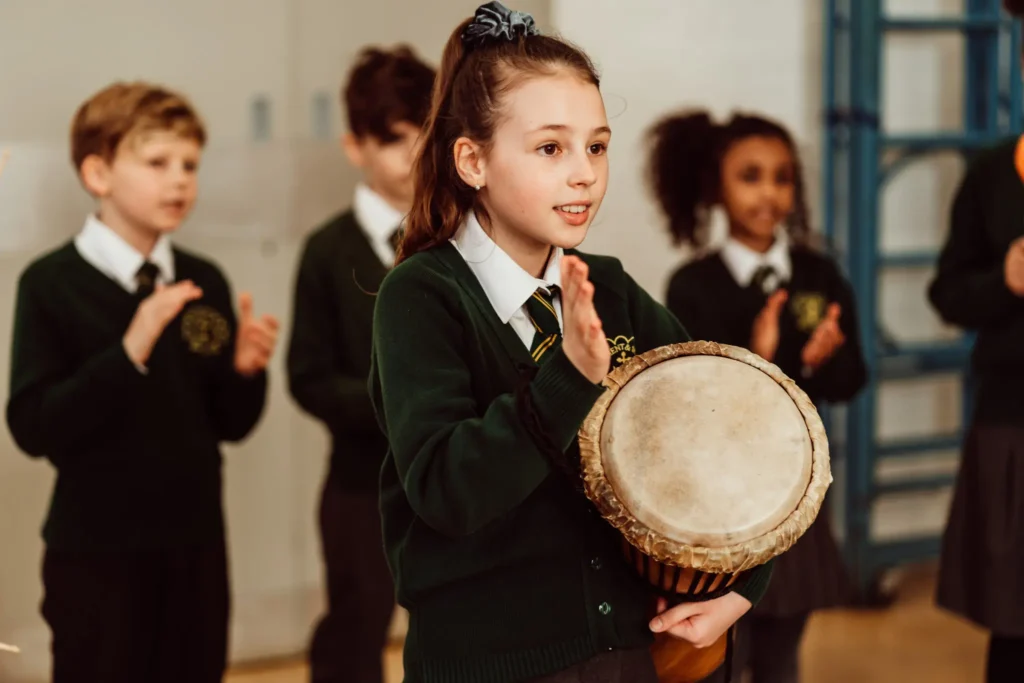
A lunchtime choir, an after-school ukulele group and a school production can all form part of your wider music programme. Some activities happen during the school day, while others take place afterwards. What connects them is the opportunity to pursue music beyond the ordinary class lesson.
Singing assemblies can contribute to that wider musical life, although schools may also include them within curriculum time. Be clear about the purpose of each activity. An optional club gives children a choice to explore further; it should sit alongside a classroom curriculum that reaches every pupil.
The classroom gives children shared musical experiences and skills they can use elsewhere. A pupil who can maintain a pulse has something to bring to an instrumental group. A class that knows a melody securely can try it in a round, learning to keep singing while another group begins.
Wider opportunities give those skills a different setting. Children may rehearse with pupils from other classes or work towards a performance they have helped choose. Keep the connection with learning clear. Ask what pupils need to practise next, rather than simply adding more songs to the programme.
Start with your pupils’ interests and the teaching you can sustain. A well-led choir that meets regularly can offer more than several clubs with no clear plan. Decide who can join and what experience they need. Make the invitation clear enough for a child who has never thought of themselves as musical.
Choose repertoire the group can learn with care. Leave room to revisit a tricky phrase and hear how the singing changes. Children need the satisfaction of improvement as well as the excitement of something new.
Think about access from the outset. The time of day, transport arrangements or a charge may affect who joins. Ask families what could make participation difficult, and consider how children with SEND will be supported. Review who is taking part and who is missing.
An ensemble gives pupils a reason to listen beyond their own playing. They need to notice the pulse and respond to a leader’s cue, while hearing how their part fits with the group.
The parts do not all need to be equally demanding. A repeated rhythmic pattern can make a valuable contribution alongside a more developed melody. Choose music that gives each player a manageable challenge, with time to practise the separate parts before bringing them together.
Check practical details early. You need suitable instruments and a space where pupils can hear one another. Agree how instruments will be stored and who prepares them, so rehearsals can concentrate on the music.
A performance gives rehearsal a purpose. It might be a short sharing with another class or a larger school show. Choose the scale to suit the children and the time available.
Plan the musical work before the scenery. If a production needs several songs, decide how and when children will learn them. Give the ensemble and chorus musical attention alongside any solo parts. Share opportunities fairly, with appropriate support for pupils who find performing difficult.
Leave time afterwards to talk about the music. What held together? Which part needed more practice? Recognising a specific achievement gives children something to build on after the applause.
Put a manageable programme on the calendar before filling it with events. You could use the autumn term to establish a group’s routines and repertoire, then choose a sharing opportunity when the music is ready. This is a planning example, not a requirement to perform every term.
Look across the whole year for a balance between regular rehearsal and opportunities to share. Check that children can continue developing after a show, and that rehearsals leave space for the wider music curriculum. Your music development plan can bring those decisions together.
Sing Education Specialist provides music teachers in school, with assemblies, choirs and clubs included according to the programme you agree. Sing Education Tuition offers instrumental and singing lessons, with registration and parent billing handled by our team.
Talk to us about the music you already have and what you want children to experience next. Explore specialist music teaching or instrumental tuition for schools. For a closer look at leading a singing group, read our guide to starting a school choir.

Curriculum music is the planned music teaching pupils receive as part of their education. Extracurricular music offers additional opportunities, such as an optional choir or ensemble. The two can support one another: classroom learning gives children skills to use in groups, while additional activities give them more time to develop particular interests.
Not every school choir needs auditions. An open choir can welcome pupils with different levels of experience, provided the leader chooses suitable music and supports participation. If a particular group needs prior skills, explain why and keep other opportunities available. Decide the purpose of the choir before choosing its entry arrangements.
It depends on the ensemble and the parts being played. Some groups need pupils with an established technique, while others can include beginners using simple repeated patterns. The leader should explain the starting level and arrange parts appropriately. Ask what support pupils will receive and whether they need an instrument for practice.
Additional activities should extend the school’s music curriculum, while regular class lessons give all pupils access to musical learning. Optional clubs alone will not reach every child. When you plan enrichment, consider how pupils can join and progress without making participation in an extra activity a condition of receiving a broad music education.
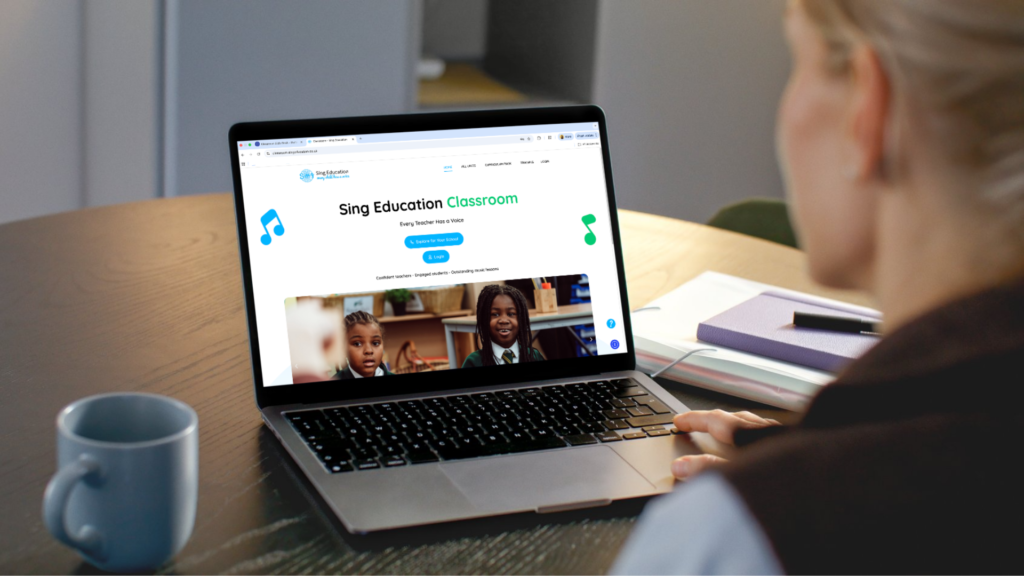
Talk to us about specialist teaching, the Classroom curriculum or tuition, or try a free Classroom sample pack with your class.
A full lesson with on-screen specialist video, a step-by-step lesson plan and an interactive slide deck, sent straight to your inbox.
We've sent your sample lessons to your email.
They usually arrive within a couple of minutes. If you can't see them, check your spam or promotions folder.
Book a discovery call See Classroom pricing