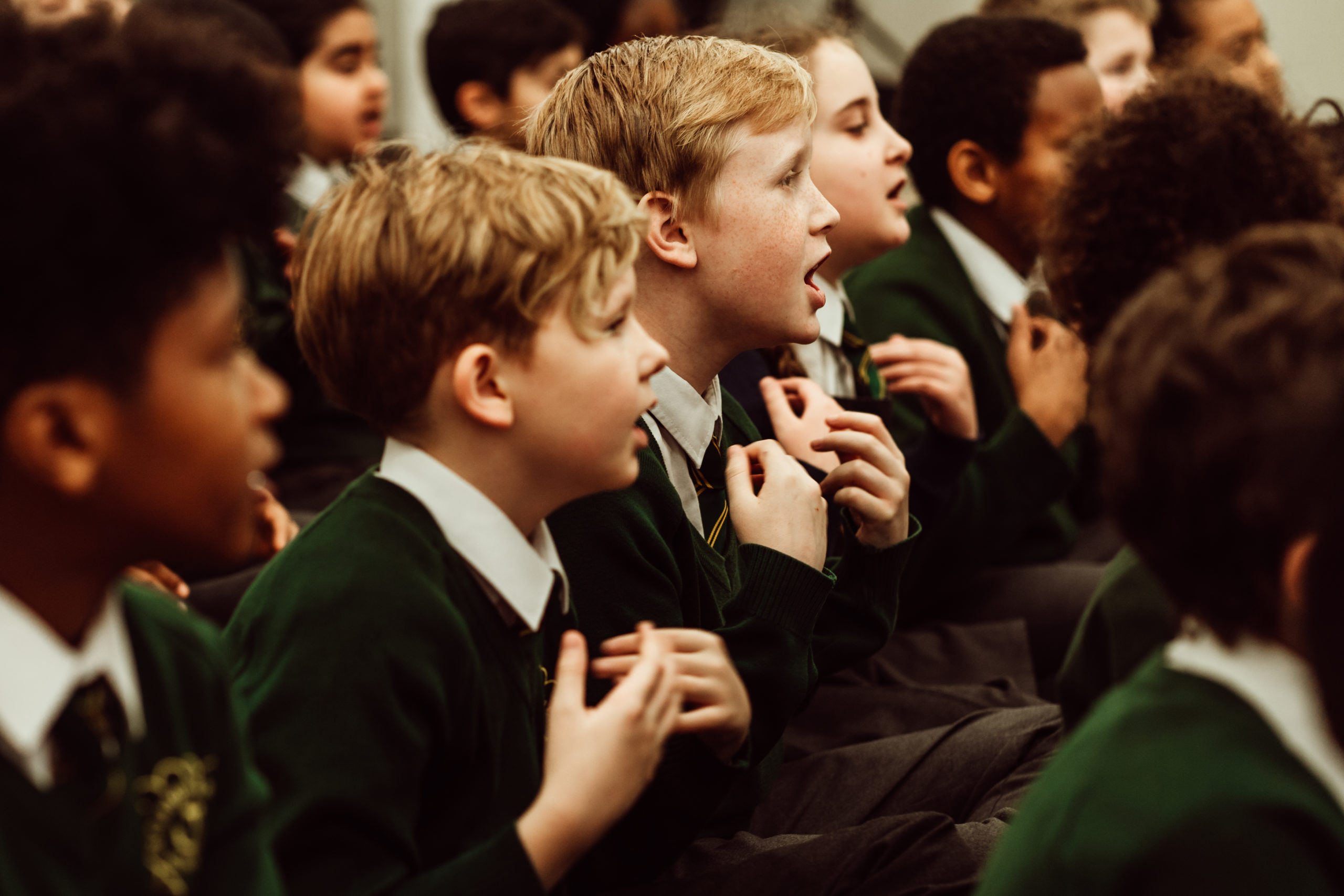

What does the national curriculum for music actually require primary schools to teach? This guide explains the statutory curriculum, the non-statutory Model Music Curriculum, and how schools can build joyful, progressive music provision that supports pupils and gives non-specialist teachers confidence.


The national curriculum for music sets out what pupils in England should be taught in music at Key Stage 1 and Key Stage 2. The Model Music Curriculum is non-statutory guidance that shows one way schools can organise and deliver that curriculum through singing, listening, composing, performing and musical understanding.
For primary school leaders and music leads, the challenge is rarely whether music matters. It is how to make music regular, progressive and joyful when staff confidence, time and resources are stretched.
This guide explains what the music national curriculum requires, how the Model Music Curriculum supports it, and what good primary music provision can look like in practice.
The national curriculum for music is the statutory music programme of study for maintained schools in England. It sets out the musical knowledge, skills and experiences pupils should be taught by the end of each key stage.
At primary level, national curriculum music is built around four broad areas:
The curriculum is intentionally concise. It does not prescribe a fixed scheme, repertoire list or teaching method. Instead, it gives schools the required musical breadth and ambition, while allowing leaders to choose how the curriculum for music will be delivered.
That flexibility is helpful, but it can also leave schools asking practical questions.
What should pupils learn in each year group? How should musical vocabulary build over time? What does progression look like when class teachers are not music specialists?
A strong primary music curriculum answers those questions clearly.


At Key Stage 1, pupils should begin to experience music as something they can make, enjoy, respond to and understand.
They should use their voices expressively and creatively through songs, chants and rhymes. They should play tuned and untuned instruments musically, listen with concentration, and experiment with sounds using the interrelated dimensions of music.
In practice, this means pupils need regular opportunities to:
For younger pupils, music should feel active, physical and joyful. They learn through repetition, movement, imitation, call and response, and clear musical routines. Good Key Stage 1 teaching builds confidence and musical understanding without making lessons feel overcomplicated.
The music curriculum KS2 should help pupils sing, play, listen and compose with increasing confidence, accuracy and control.
At Key Stage 2, pupils should perform in solo and ensemble contexts, use their voices and instruments with greater fluency, improvise and compose for a range of purposes, and listen with increasing attention to detail. They should also begin to use and understand staff and other musical notations.
A good KS2 curriculum also introduces pupils to a broad range of music: different traditions, periods, composers, musicians and styles. This matters because music is not only a practical subject. It is also cultural, historical and deeply human.
A strong KS2 music lesson might include singing, rhythm work, instrumental practice, listening, composition and musical vocabulary. These should not feel like separate activities. They should build towards clear musical outcomes: pupils singing more securely, playing more accurately, listening more deeply and explaining music with growing confidence.
The Model Music Curriculum, often called the MMC, is non-statutory guidance for teaching music from Key Stage 1 to Key Stage 3. It is not the statutory curriculum, and schools do not have to follow it exactly.
Its purpose is to provide a practical model for how the national curriculum for music can be organised and taught. It gives schools more detail on progression, musical concepts, repertoire, singing, listening, composing, performing and notation.
The Model Music Curriculum is useful because it turns broad statutory aims into a more structured musical journey. It helps schools think about:
For non-specialist teachers, the MMC can be reassuring. It gives a clearer map. But it still needs translating into teachable lessons, classroom routines and resources that work in a busy primary school.
The National Curriculum for Music is the statutory requirement. The Model Music Curriculum is guidance that helps schools meet that requirement.
| Area | National Curriculum for Music | Model Music Curriculum |
| Status | Statutory for maintained schools in England | Non-statutory guidance |
| Purpose | Sets out what pupils should be taught | Models how music can be sequenced and delivered |
| Detail | Broad programme of study | More detailed guidance on progression, concepts and repertoire |
| Flexibility | Schools choose how to deliver it | Schools can use, adapt or combine it with other plans |
| Usefulness | Establishes entitlement and ambition | Helps leaders and teachers plan a coherent curriculum |
A school can meet the statutory curriculum without following the MMC exactly. Equally, an MMC-aligned scheme can be a strong way to ensure pupils receive a broad, progressive and musically rich education.
The key question is not simply, “Do we have a scheme?”
It is, “Do pupils get better at music over time?”
For the official statutory wording, schools can refer directly to the Department for Education’s National Curriculum in England: music programmes of study. The DfE also publishes the Model Music Curriculum guidance, which sets out one model for helping pupils progress through the statutory music curriculum.

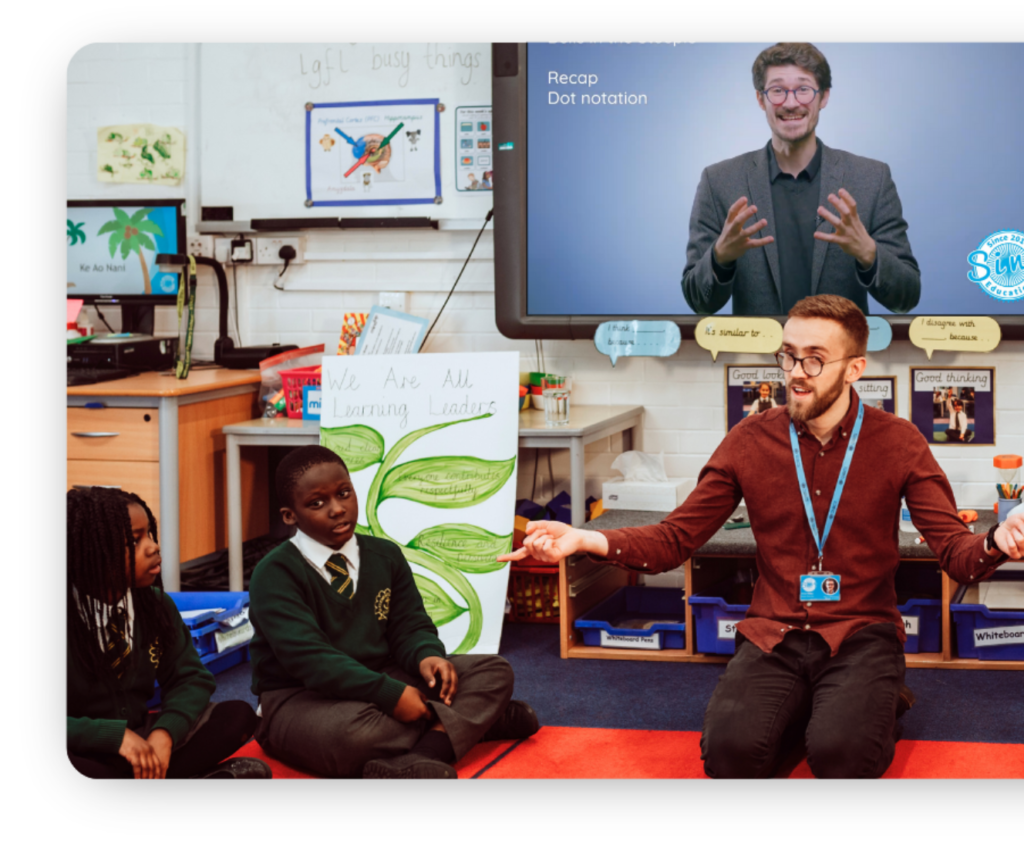
Good primary music provision is regular, progressive, practical and inclusive. It gives every child the chance to sing, play, listen, move, compose and perform.
In a strong primary music curriculum, pupils do not simply complete isolated topic-based activities. They build musical knowledge and skill over time. They revisit important concepts, practise carefully, hear high-quality musical models, and learn to make increasingly confident musical choices.
Good provision usually includes:
For school leaders, consistency matters. Music should not depend entirely on one confident member of staff, a one-off enrichment day or an enthusiastic visiting musician. Those things can be valuable, but they work best when they sit within a planned, progressive curriculum.
Non-specialist class teachers can deliver excellent primary music when they are given clear structure, strong modelling and practical support.
The biggest barrier is often confidence. Many class teachers worry that they cannot read notation, sing confidently, accompany songs or explain musical vocabulary. But good primary music teaching does not begin with virtuoso performance. It begins with clear routines, accurate modelling, joyful participation and well-sequenced learning.
Non-specialist teachers need:
This is where a structured, Model-Music-Curriculum-aligned scheme can make a significant difference. It removes the blank page. It gives teachers a route through the curriculum and helps pupils experience music as a living, practical subject.
The most common barriers are staff confidence, time, subject knowledge, resources and consistency.
Many schools value music highly, but leaders are balancing many competing priorities. A music lead may have limited time. Class teachers may not have had much music training. Instruments may be stored away, incomplete or difficult to manage. Lessons may become irregular because staff are unsure how to teach them.
The solution is not to make music more complicated.
It is to make it more teachable.
A strong curriculum gives teachers confidence before the lesson begins. It shows them what to teach, how to model it, what to listen for, and how to help pupils improve.
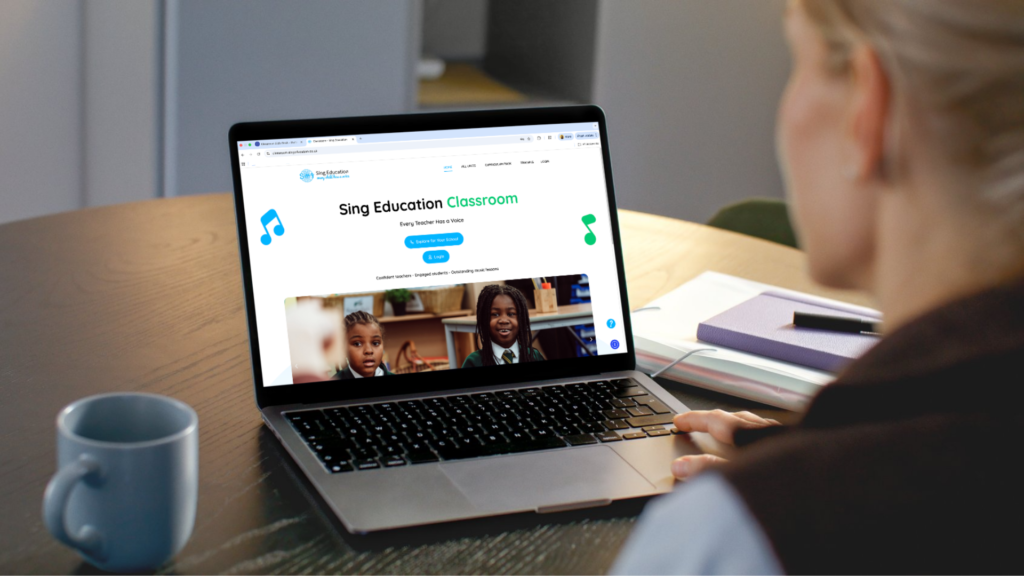
Sing Education Classroom helps primary schools deliver a joyful, structured and Model-Music-Curriculum-aligned music curriculum from EYFS to Year 6.
It is designed for real classrooms: teacher-led, specialist-supported and built to grow staff confidence over time. Each lesson gives class teachers clear plans, practical activities and on-screen specialist modelling, so pupils experience high-quality music teaching even when their class teacher is not a music specialist.
With Sing Education Classroom, schools can build a consistent curriculum that supports singing, listening, movement, rhythm, pitch, notation, instruments, composition and musical vocabulary.
For schools wanting wider support, Sing Education also works with primary schools through specialist music provision, including experienced music teachers, curriculum support and fully managed music services.
If you are reviewing your curriculum, preparing for Ofsted, supporting a new music lead or looking for a more confident way to teach music across the school, enquire with Sing Education and we can help you build provision that lasts.

Is the Model Music Curriculum statutory?
No. The Model Music Curriculum is non-statutory guidance. The National Curriculum for Music is the statutory programme of study for maintained schools in England. The MMC provides a practical model for how schools can deliver the statutory curriculum.
Do primary schools have to teach music?
Yes. Music is part of the national curriculum for maintained schools in England at Key Stage 1 and Key Stage 2. Academies have more curriculum freedom, but they are still expected to provide a broad and balanced curriculum.
What should a primary music curriculum include?
A primary music curriculum should include singing, listening, performing, composing, improvising, playing instruments, musical vocabulary and age-appropriate notation. It should also introduce pupils to music from a wide range of styles, traditions, periods, composers and musicians.
How much music should primary schools teach?
The Model Music Curriculum recommends that pupils at Key Stage 1 and Key Stage 2 receive at least one hour of music teaching each week, which may be delivered as shorter sessions across the week. The most important principle is that music is regular, progressive and planned.
Can non-specialist teachers teach primary music well?
Yes. Non-specialist teachers can teach primary music well when they have clear planning, strong modelling, practical resources and support with subject knowledge. A structured scheme helps teachers lead singing, rhythm, listening, composing and performing activities with greater confidence.
What is an MMC-aligned music scheme?
An MMC-aligned music scheme is a planned set of lessons and resources that reflects the structure and ambition of the Model Music Curriculum. It should help pupils build musical knowledge and skill over time, while supporting teachers with practical guidance, modelling and progression.
Every Child Has A Voice. With the right curriculum, every teacher can help children discover it.
Download a free, MMC-aligned sample lesson pack from Sing Education Classroom and see how structured, specialist-supported music lessons can work in your school.
Download your free sample lesson pack
Founded in 2014, Sing Education provides joyful, high-quality music education for primary schools.
We support schools through specialist music teaching, structured curriculum resources, instrumental and vocal tuition, choirs, singing assemblies and wider music provision. Our work is built around one simple belief: Every Child Has A Voice.
Sing Education Classroom gives class teachers the confidence and structure to teach music well, with practical lesson plans and on-screen specialist modelling from EYFS to Year 6.
Sing Education also provides fully managed specialist music teaching for schools, including recruitment, training, curriculum support, quality assurance and ongoing school partnership.
#SingEducation #EveryChildHasAVoice #primaryschool #musiceducation #musiccurriculum #ModelMusicCurriculum