Choose an instrument that suits your child’s lessons and fits them comfortably, with advice from their teacher before you buy or hire. Borrowing, renting and buying can all be sensible options; the right choice depends on the instrument and how your child will use it.


You do not need to know all the technical language. Start with the lesson your child is taking and ask what they need for practice. A suitable instrument should let them concentrate on making music, with working parts and a comfortable playing position.
Borrowing can keep the initial cost down. Ask your school or local music service whether a suitable loan instrument is available and who can use the scheme. Check the return arrangements and responsibility for damage. A family instrument can also be useful, once a teacher or repairer has checked its condition.
Hiring spreads the cost and can be useful while your child settles into lessons. It is worth considering for a violin they may outgrow or a more expensive wind instrument. Compare the minimum hire period and total cost. Check whether maintenance, insurance or exchanges are included; these vary between schemes.
Buying gives your child an instrument to keep and may suit a relatively inexpensive recorder or ukulele. For higher-cost purchases, try the instrument with advice before committing. Second-hand instruments can offer value, but an unseen repair bill may change the calculation. Ask for the condition and any servicing needs to be checked.

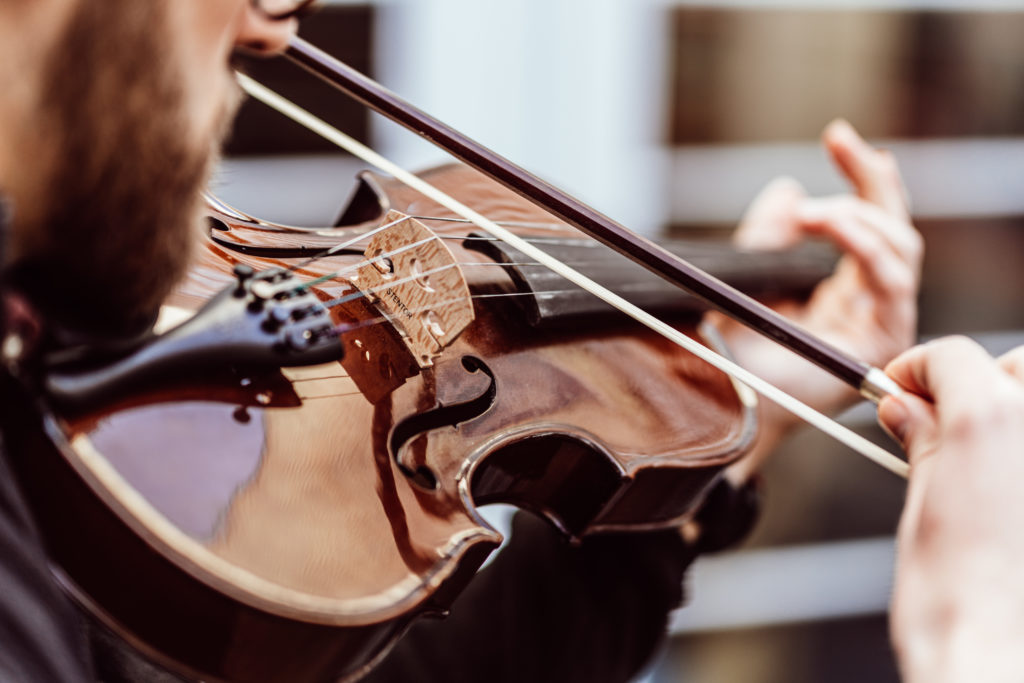
Violins come in fractional sizes, including 1/4, 1/2 and 3/4, as well as full size, written 4/4. Smaller sizes are also available. These labels describe the instrument’s size, not a level of achievement.
Have your child fitted by their teacher or an instrument specialist. Their reach and playing position matter more than an age chart. Avoid buying a larger violin for them to grow into. Check whether the outfit includes a suitable bow and case, and ask about a shoulder rest and rosin.
For beginner classical lessons, ask about a nylon-string guitar. It is a different instrument from a steel-string acoustic or electric guitar, so confirm the type the teacher expects.
Children’s guitars come in sizes such as 1/2 and 3/4. A comfortable fit depends on the child and the instrument’s shape, not age alone. Let your child try holding it and reaching the strings. If they will learn left-handed, discuss the setup before buying. A tuner and protective bag may be needed.
For keyboard lessons, a model with at least 61 full-size keys is a useful starting point to discuss with the teacher. Touch-sensitive keys respond to how firmly they are played and allow changes in expression.
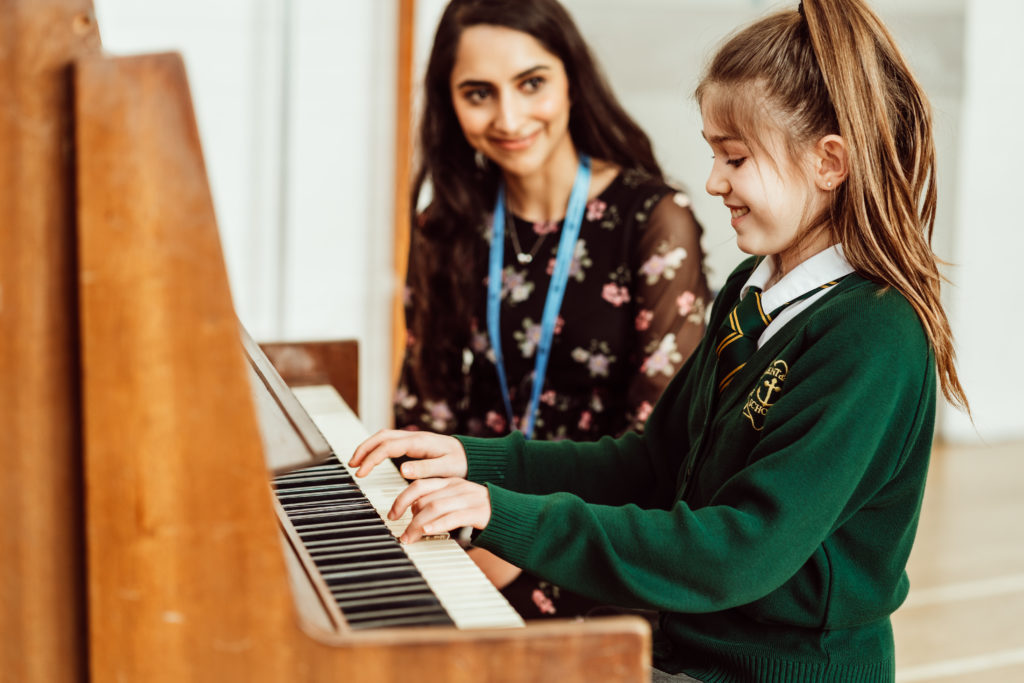
For piano lessons, ask about an 88-key digital piano with weighted keys, or a suitable acoustic piano. Weighted keys give a different playing response from a light-action keyboard. Check what the teacher requires now and as your child progresses.
Allow for a stable stand and a seat at a suitable height. Confirm whether the power supply and pedal are included. An app alone does not give the same physical playing experience as keys.
For primary recorder lessons, confirm whether your child needs a descant, also called soprano, recorder. Check the fingering system: Baroque and German recorders use different fingerings for some notes. Buy the type used in the lessons. A plastic recorder can be a practical beginner instrument.
For ukulele, ask whether the class uses soprano or concert size and which tuning it follows. Choose an instrument that holds its tuning and feels comfortable to play. A tuner helps with practice, but your child may need an adult’s help at first. Avoid choosing on colour alone.
Ask the teacher to advise on fit before buying. A young flute player may need a curved headjoint to bring the keys within reach. With clarinet or saxophone, the weight and distance between keys also matter.
For brass, have a specialist check how comfortably your child can hold the instrument and reach its controls. A cornet and a trumpet are not interchangeable purchases. Confirm the exact type required, plus any mouthpiece or care accessories. Hiring can give you access to a suitable instrument without the full purchase cost upfront.
These are rounded planning budgets for new beginner instruments, checked against UK listings in October 2026. They are not price limits or quotes, and suitable instruments may cost less or more. Confirm the specification with your teacher before shopping.
Check the total with accessories and delivery. A violin outfit may include a bow and case, while a keyboard price may exclude its stand. Ongoing costs can include replacement strings or reeds. If the budget is difficult, speak to the school or local music service about loan or hire options before ruling out lessons.

Ask the teacher to show your child the care routine for their instrument. Put it in its case after practice and store it away from radiators or damp areas. Label the case so it can find its way home from school.
For violin, wipe away excess rosin with an appropriate dry cloth and loosen the bow after playing. For woodwind, follow the cleaning routine for that instrument, including removing moisture where required. Use only the care products recommended for it. If a key sticks or a part moves unexpectedly, ask for help before trying a repair.
Sing Education Tuition provides instrumental and singing teaching in school, with parent registration and billing handled by our team. Before the first lesson, check your school’s programme information to confirm what your child needs to bring and what is available at school.
Also ask what instrument they need at home for practice. Access during a lesson and access between lessons are different arrangements. Confirm any books or accessories before ordering. You can find information for parents and register for lessons online. For more about the teaching, explore Sing Education Tuition and our guide to instrumental lessons in school.
There is no single best instrument for every child. Start with what they are interested in and the lessons available, then check the practical fit with the teacher. Consider what they can use for practice at home. A suitable, playable instrument gives them a better starting point than an impressive-looking one.
Ask the piano teacher before buying. A full-size-key keyboard may support some early work, but piano teaching also develops control of a piano-style action. An 88-key weighted digital piano offers that response. The teacher can explain what is suitable for your child’s lessons and when an upgrade might be needed.
It can be, if it is suitable and in good playing condition. Have a teacher or repairer check it before you commit, especially with string, wind or brass instruments. Ask about servicing costs and missing accessories. A low purchase price is less useful if the instrument needs substantial work before lessons begin.
Check with your school or lesson provider before buying anything. Some programmes may offer instruments for lessons or a loan for practice, but the arrangements vary. For Sing Education Tuition, confirm what is included in your school’s programme and whether your child needs to bring an instrument or keep one at home.
Sing Education Tuition offers one-to-one and small-group instrumental and singing lessons in school.




A full lesson with on-screen specialist video, a step-by-step lesson plan and an interactive slide deck, sent straight to your inbox.
We've sent your sample lessons to your email.
They usually arrive within a couple of minutes. If you can't see them, check your spam or promotions folder.
Book a discovery call See Classroom pricing